


Understanding and Managing Tinnitus and Hyperacusis

Tinnitus and hyperacusis are auditory conditions that affect how sounds are perceived. Tinnitus is the perception of ringing, buzzing, hissing, or other sounds without an external source, while hyperacusis is an increased sensitivity or intolerance to everyday sounds that are normally comfortable for others.
What Causes Tinnitus and Hyperacusis?
Tinnitus and hyperacusis may occur independently or together and can result from various factors, including:
- Hearing loss (age-related or noise-induced)
- Prolonged exposure to loud noise
- Ear infections or middle/inner ear disorders
- Earwax blockage
- Head or neck injury
- Certain medications (ototoxic drugs)
- Stress, anxiety, or fatigue
- Temporomandibular joint (TMJ) disorders
- Neurological or circulatory conditions
Book an Appointment
Book a personalized hearing evaluation with our certified specialists. We offer advanced diagnostic testing, expert guidance, and compassionate care in a comfortable clinical environment.
Management Strategies
Although tinnitus and hyperacusis cannot always be completely cured, evidence-based management strategies can significantly reduce symptoms and improve quality of life. Treatment plans are individualized based on evaluation results and patient needs.

Sound Therapy
The use of low-level background sounds or sound generators helps reduce the perception of tinnitus and gradually improves sound tolerance in hyperacusis.
Speech Audiometry
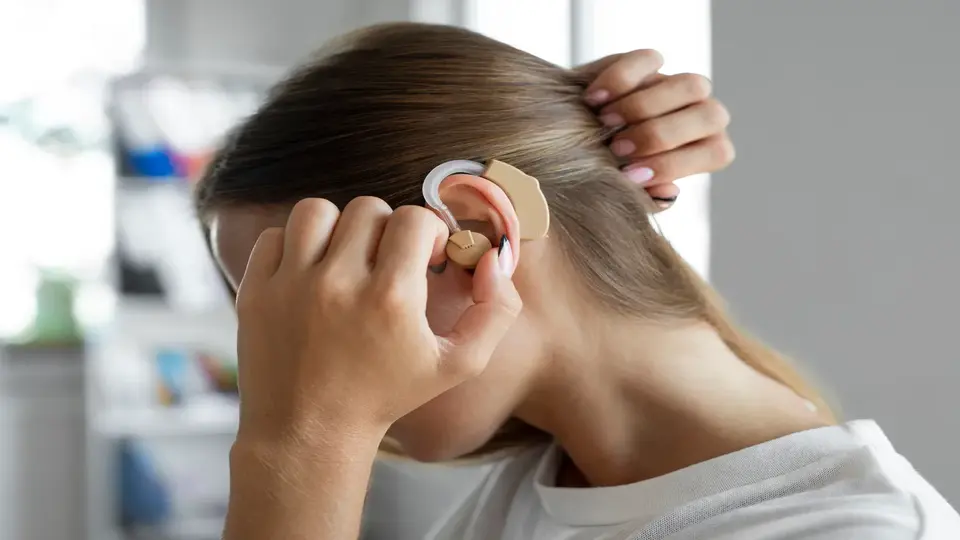
For individuals with hearing loss, hearing aids enhance auditory input and often reduce tinnitus awareness while improving overall communication.

Tinnitus Retraining Therapy (TRT)
A structured approach combining sound therapy with counseling to help the brain habituate to tinnitus and decrease sound sensitivity.

Counseling and Patient Education
Understanding the condition reduces anxiety and emotional distress, which can significantly lessen symptom severity.

Stress and Lifestyle Management
Stress reduction techniques, adequate sleep, and healthy lifestyle habits play a crucial role in symptom control.

Medical Referral When Required
Referral to an ENT specialist or other healthcare professionals is recommended if medical, neurological, or underlying conditions are suspected.
FAQ’s